What Should You Know Before Buying JEWSHIN Packaging Machinery?
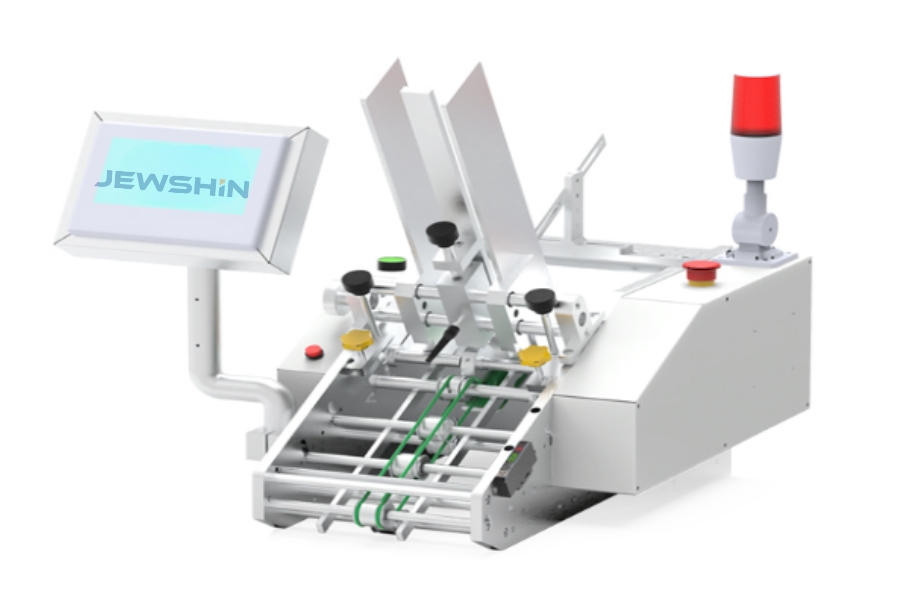
Before buying packaging equipment, companies should evaluate production requirements, machine speed, material compatibility, maintenance needs, and supplier support. JEWSHIN Packaging Machinery helps manufacturers select suitable solutions by focusing on packaging accuracy, stable operation, and flexible configurations. Buyers should compare factors such as output capacity, energy use, automation level, and long-term service support instead of looking only at the purchase price. A well-matched packaging system can improve production consistency, reduce material waste, and support future manufacturing growth.
Purchasing packaging machinery requires a clear understanding of production conditions, because different industries have different packaging requirements. A machine designed for high-speed food packaging may not match the needs of pharmaceutical, chemical, or industrial products.
Before contacting a supplier, manufacturers should define their packaging targets. Product size, weight, shape, packaging material, and daily output all affect machine selection. For example, a factory producing 50,000 packaged units per day may require a different configuration from a company producing 5,000 units per day.
A complete requirement review usually includes:
| Evaluation Item | Information to Check |
|---|---|
| Production volume | Daily, monthly, and yearly output targets |
| Packaging type | Bags, pouches, cartons, containers, or customized formats |
| Material features | Thickness, flexibility, sealing requirements |
| Factory conditions | Available space, power supply, and production layout |
| Future plans | Additional products or higher production capacity |
A clear production profile helps companies choose equipment with suitable specifications. After understanding production needs, the next step is evaluating machine performance.
A packaging machine should maintain stable performance during long operating periods. Many factories run equipment for 8–16 hours per day, so mechanical reliability and control accuracy directly affect production schedules.
Speed is one factor, but stable output quality is equally important. A machine that operates at 120 packages per minute but frequently stops may produce less than a machine running at 90 packages per minute with fewer interruptions.
When comparing packaging equipment, companies should review:
-
Packaging speed and output consistency
-
Filling or sealing accuracy
-
Adjustment time between products
-
Compatibility with different materials
-
Ease of operation and maintenance
Modern packaging systems often use sensors, automated controls, and digital monitoring functions. According to manufacturing studies published in recent years, automated packaging equipment can reduce manual handling requirements by approximately 30%–60% depending on the production process.
This performance evaluation leads naturally to another consideration: packaging accuracy and material efficiency.
Material usage has a direct relationship with operating costs. A small packaging error repeated thousands of times each day can increase annual material consumption.
For example, if a production line handles 100,000 packages per month, a 1% reduction in packaging material waste can save 1,000 packaging units of material during the same period.
Companies should examine:
| Area | What to Review |
|---|---|
| Filling precision | Variation between individual packages |
| Sealing quality | Protection against leakage or contamination |
| Material control | Reduction of unnecessary packaging usage |
| Production stability | Consistent results during continuous operation |
Manufacturers choosing JEWSHIN Packaging Machinery can evaluate equipment options based on their product requirements, packaging formats, and production goals. Accurate packaging processes help maintain product appearance while controlling material consumption.
After accuracy requirements are confirmed, customization capability becomes another important factor.
Standard equipment can meet many applications, but some factories require adjustments because of product dimensions, packaging styles, or existing production lines.
Customization may involve machine size, feeding systems, sealing methods, control settings, or integration with other equipment. A packaging line producing multiple product models may need faster changeover features compared with a single-product production line.
Before purchasing, buyers should ask suppliers about:
-
Available machine configurations
-
Custom engineering options
-
Production line integration
-
Software or control system adjustments
-
Operator training support
Manufacturing conditions continue changing, so flexible equipment can help companies adapt when product ranges expand. This makes maintenance planning an important part of the purchasing process.
A machine’s operating cost depends not only on the initial purchase price but also on maintenance frequency, spare parts availability, and service response.
Packaging equipment used in commercial production environments may operate thousands of hours each year. If unexpected downtime occurs, factories may experience delayed orders and additional labor expenses.
Companies should review:
| Maintenance Factor | Questions to Ask |
|---|---|
| Spare parts | Are replacement components available quickly? |
| Service support | Is technical assistance available after installation? |
| Machine design | Are maintenance points easy to access? |
| Training | Can operators understand daily operation procedures? |
A machine with simple maintenance requirements can help reduce production interruptions. Supplier experience and technical support should also be considered during equipment selection.
The supplier relationship often continues after installation. Technical guidance, machine adjustment support, and operator training influence how efficiently equipment performs over time.
Manufacturers should examine supplier background, engineering capability, and customer support processes. Companies that provide detailed installation guidance and responsive service can help factories start production more smoothly.
A supplier evaluation checklist may include:
-
Years of experience in packaging equipment manufacturing
-
Previous applications in similar industries
-
Availability of technical documentation
-
Installation and training services
-
Long-term equipment support
After supplier qualifications are reviewed, companies should compare the total ownership cost.
Equipment prices represent only one part of the investment. Energy consumption, maintenance expenses, labor requirements, and production efficiency also affect overall operating costs.
A machine with a higher initial price may provide better long-term performance if it reduces waste and improves output stability. For example, improving production efficiency by 15% and reducing downtime by 10% can create measurable improvements over several years.
A total cost comparison should include:
| Cost Category | Consideration |
|---|---|
| Purchase cost | Initial equipment investment |
| Energy use | Electricity or other operating resources |
| Labor needs | Number of operators required |
| Maintenance | Regular service and replacement parts |
| Production losses | Downtime impact |
This analysis helps companies choose equipment based on real operating conditions rather than only upfront expenses.
Future production plans should also influence purchasing decisions. Equipment that supports upgrades can provide better flexibility when business requirements change.
Manufacturers should consider whether the machine can support increased output, new packaging formats, or additional automation functions. A factory expanding production from one product line to several product categories may benefit from equipment with adjustable settings.
Important questions include:
-
Can production capacity be increased?
-
Can new packaging materials be used later?
-
Can the machine connect with other automated systems?
-
Are software updates or configuration changes available?
Packaging technology has continued developing through 2020–2026, with manufacturers placing greater attention on automation, efficiency, and resource management. Companies selecting packaging machinery should review current requirements while also considering future production needs.
Choosing packaging equipment is a long-term manufacturing decision. Reviewing product requirements, machine performance, maintenance plans, supplier support, and operating costs helps companies select equipment that matches their production environment.
A careful evaluation process allows manufacturers to build packaging systems that provide stable operation, consistent quality, and better production management over many years.